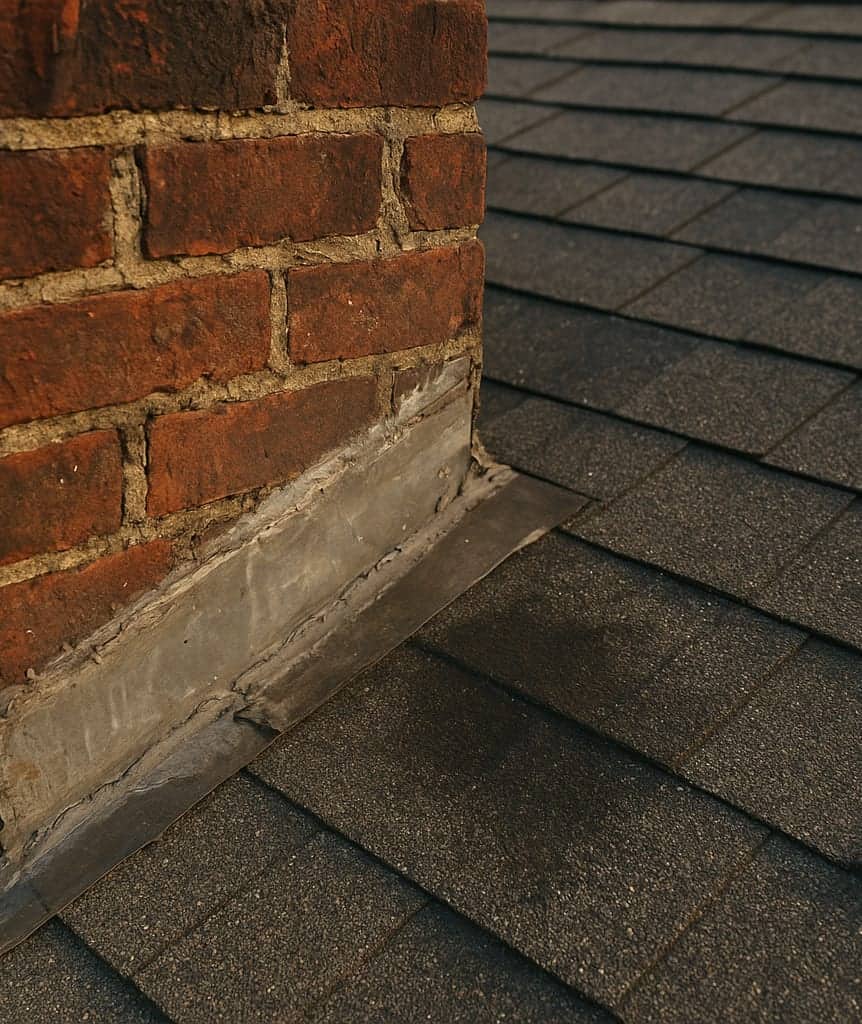
HVAC Repair After Earthquakes Using Seismic Data Insights

Many people figure their HVAC gear stays safe in an earthquake because it sits inside. That idea misses how the shaking moves up through the building frame and tugs on ducts, brackets, and wires. The structure gives a little when the ground moves, and whatever is fastened inside feels every bit of it.

How seismic shaking reaches HVAC gear

Quakes send quick jolts through the foundation and into the frames holding the equipment. Even a middling tremor can work bolts loose on air handlers or leave tiny cracks in heat exchangers. Folks often think only big quakes matter. Yet smaller ones add up, the same way metal gets tired after years of flexing. Over time that repeated flexing can turn a solid connection into something loose enough to let air escape or wires pull free during normal use. Records show ground accelerations that older setups were never meant to handle. Systems can look okay right after the event, then start leaking or losing flow once the weather changes and the unit kicks on again.

Why a quick look around is not enough

Plenty of people assume they can just walk through and spot trouble after the ground stops moving. Internal parts often shift where you cannot see them until you run airflow or pressure checks. Some wait weeks, thinking the building needs time to settle. That delay just gives moisture or electrical issues more chance to grow. Instrument readings from buildings point to the first three days as the best window for catching misalignment before something else goes wrong. Once water finds a new route it keeps traveling even when everything is still.

Letting recorded motion steer the repairs

Seismic networks now give engineers detailed motion histories they can match against building plans. That shows which HVAC areas took the hardest hits and need attention first. Owners sometimes picture the same level of trouble everywhere on the property. Readings often reveal bigger differences between the ground-floor rooms and the units higher up. Matching those numbers to what the equipment was built for helps techs skip needless teardown and focus on the spots that likely took the fatigue. Repairs finish faster and fewer surprises turn up once the covers come off.

Older equipment carries its own unknowns

Lots of buildings still run units put in before today’s seismic rules applied. The old mounts and joints usually lack the flexibility built into newer ones. Past events show fatigue showing up in patterns that do not match what you see on recent gear. An older unit might develop a rattle in one spot while everything else seems fine, and that rattle grows worse with each new shake. Welds that have already lost some give from normal heating and cooling cycles over the years become even less predictable when fresh motion hits.

Parts that feel ground motion first

– Duct joints pull apart when supports move, so conditioned air leaks out and energy bills climb.
– Compressor mounts take repeated hits that crack welds or twist the base.
– Control wiring gets pulled tight enough to loosen terminals and cause on-and-off faults.
– Refrigerant lines bend past their limits and form tiny leaks that appear days afterward.

The recorded motion tells a tech how many cycles each part went through, so decisions rest on measured stress instead of guesses. Those numbers help decide whether a joint just needs tightening or has to be replaced before the next cold snap.
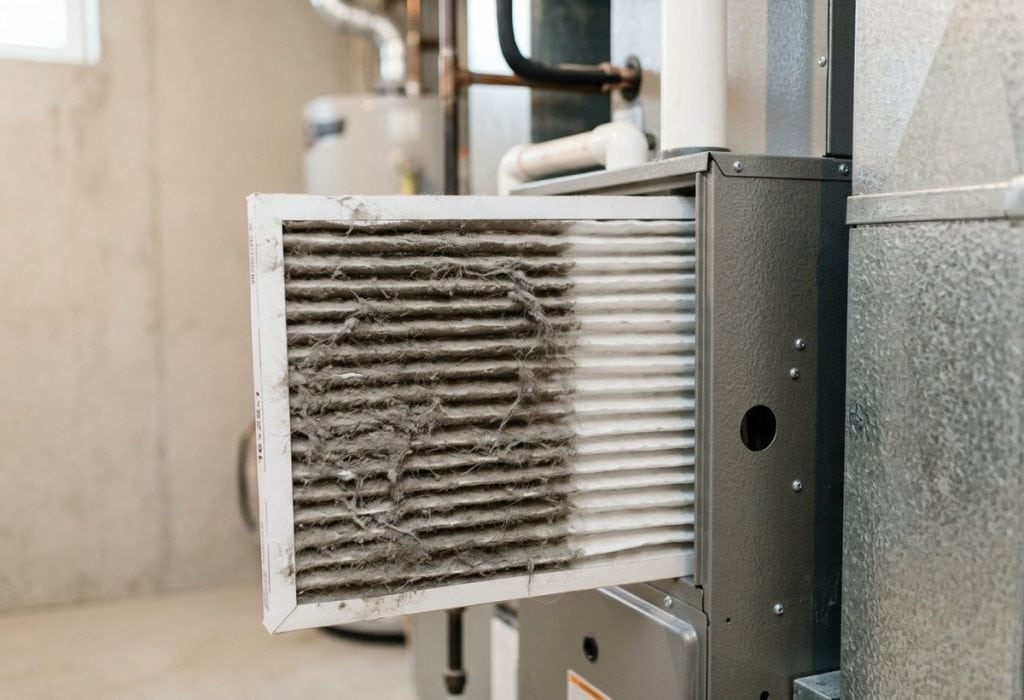
used pleated furnace air filter white

Why quick DIY fixes often fall short

Some think tightening the bolts they can see or flipping breakers puts everything back in order. Analysis shows the hidden stress in pipes and wires stays even after surface tweaks. Others figure any replacement part will meet the same seismic specs as the original. Without checking the new pieces against current motion requirements, the repair can give out the next time. Data reviews show whether a unit still has enough give left or needs full replacement to meet today’s standards. So a fast patch can hide the real trouble until shaking starts again.

Watching the system over time with seismic input

Putting vibration sensors in after the event gives ongoing readings that track slow shifts in alignment. This undercuts the idea that one repair job ends the need for attention until the next big quake. Catalogs of past events show aftershocks can keep coming for months, each one adding a little more load on earlier damage. Comparing fresh sensor data to baseline values catches problems before they affect comfort or safety. A reading that creeps a few millimeters a month often flags a support starting to work its way loose.

Finding help that knows the seismic side

Homeowners tend to assume any contractor has the exact know-how needed for HVAC work after shaking. Performance hinges on details like how anchors are designed and which flexible couplings get chosen, both of which need specific training. When picking someone, check their experience reading acceleration records and applying them to mechanical layouts. For expert assistance in assessing and repairing your system, consider consulting Cupe Mechanical HVAC. Their approach integrates field measurements with available seismic archives to produce repair plans that address both immediate faults and future resilience.

Steps that follow a look at the motion data

Start by pulling the closest strong-motion record from public sources. Compare the peak values against the equipment specs to see how much overload occurred. Then book a full inspection that includes checking heat exchangers with a scope and testing the torque on every seismic restraint. Photograph and log everything so later comparisons stay reliable. Finally, make upgrades with parts rated for the current seismic category instead of falling back on what was there before.

Updating designs to cut future risk

Seismic data keeps shaping building codes, yet many HVAC setups predate the latest rules. A frequent mistake is thinking straps added later make up for the original shortfalls. Without checking the whole load path, those new restraints can just move the stress to weaker spots. Newer approaches add flexible loops in piping and spring-isolated pads sized to the actual site motion. Those steps cut the forces that reach the equipment and stretch the time between events.

Why the same records stay useful later

Even after repairs, the ground-motion data still helps when it comes time to swap out equipment. A new air handler in the same location will meet the same recorded accelerations, so its mounting can be checked against those values right away. Ongoing work on motion prediction equations gives tighter forecasts that can be used on existing buildings too. Treating the records as ongoing references instead of one-time snapshots helps owners keep systems running through later tremors. The approach shifts the focus from fixing things after they break to planning ahead with actual measurements.
How Earthquake Ground Motion Data is Recorded and Analyzed

Seismic monitoring networks rely on instruments placed at fixed locations to catch ground shaking whenever an earthquake occurs. Stations often sit in open ground, inside buildings, or near bridges and dams. Some networks space instruments every few kilometers in active zones while others use wider spacing in less seismic areas. Data from these points help map how motion changes with distance and local geology. In practice, a station might record nothing for months until a sizable event triggers it, at which point the instruments switch from standby to continuous recording.

Common types of ground motion sensors

Accelerometers measure how fast the ground changes speed. They handle the strong jolts that occur close to a fault without going off scale. Velocity sensors, by contrast, respond better to the smaller, longer-lasting waves felt farther away. Some older instruments use a mass on a spring that moves relative to the frame; modern versions often rely on micro-machined silicon elements that produce an electrical signal proportional to acceleration. A typical field unit might contain three orthogonal sensors so that motion in north-south, east-west, and vertical directions is captured at the same instant.

Temperature changes and aging can shift the zero point of any sensor. Technicians therefore check response with known test signals before and after deployment. In one common check, the instrument is tilted by a precise angle so gravity produces a known acceleration; the output is compared against the expected value. If the reading drifts beyond a set tolerance, the sensor is recalibrated or replaced.

Steps in data collection and calibration

Recording starts when ground motion exceeds a preset threshold, often set around 0.01 g. Once triggered, the system writes a continuous stream of numbers to digital memory or transmits them over phone lines or radio. Each sample carries a time stamp from a GPS clock so records from different stations can be aligned later. Power failures are common after large quakes, so many stations include backup batteries that keep the clock and memory running for days.

Calibration occurs both in the lab and in the field. In the lab, sensors ride on a shake table that moves through a range of frequencies and amplitudes. The output is compared with a reference instrument whose behavior is already known. In the field, a small motor or electromagnetic coil can apply a brief known pulse; the recorded pulse is then examined for correct amplitude and timing. Any deviation is noted in a calibration file that travels with the raw data.

Raw counts from the digitizer must be multiplied by a scale factor to convert them into physical units of acceleration. That factor comes from the calibration and is stored in a separate header. If the factor is wrong by even a few percent, later calculations of building response or ground displacement will be off. Technicians therefore keep printed and electronic copies of the calibration sheet for each instrument.

Basic analysis techniques for acceleration records

The first step after an event is to inspect the record for obvious glitches such as spikes from electrical noise or dropouts from power loss. A simple plot of the three components often reveals whether the trigger captured the full strong-motion portion or only a late tail. Next, a baseline correction removes any slow drift that can appear when the sensor zero point shifts during shaking. One common method fits a low-order polynomial to the pre-event quiet section and subtracts that trend from the entire trace.

Once the record is cleaned, it can be integrated once to obtain velocity and again to obtain displacement. Double integration magnifies low-frequency noise, so a high-pass filter is usually applied first. The cutoff frequency is chosen by looking at the Fourier spectrum and finding where the signal begins to rise above the noise floor. Different events and sites require different cutoffs; a record from a distant earthquake may need a lower cutoff than one from a nearby aftershock.

Response spectra are calculated by passing the acceleration record through a series of single-degree-of-freedom oscillators with varying natural periods. The maximum displacement, velocity, or acceleration of each oscillator is plotted against period. Engineers use these curves to estimate how a structure of a given height would have moved. Because soil conditions affect the spectrum, records from the same earthquake but different stations often show peaks at different periods.

Fourier spectra provide another view by showing how much energy sits at each frequency. A sharp peak at one frequency might indicate resonance in the soil column beneath the station. Comparing spectra from nearby rock and soil sites helps quantify site amplification without needing detailed geotechnical borings.

When multiple stations record the same event, the set of records can be used to estimate the fault rupture process. Arrival times of the first strong pulse give rough locations, while differences in amplitude and duration across the network constrain the direction and speed of rupture. These estimates remain approximate because the exact starting point on the fault and the way energy radiates are never known with perfect certainty.

The Role of Strong Motion Records in Earthquake Engineering

What Strong Motion Records Actually Capture

Strong motion records come from instruments that sit in the ground or on structures during an earthquake. They track how fast the ground accelerates, how velocity changes over time, and the amount of displacement that occurs. The main number most engineers watch is peak ground acceleration, but the full waveform shows the frequency content and duration of shaking as well.

A record from a site with firm soil will look different from one on soft clay even for the same earthquake. The soft site often stretches the motion into longer periods that can affect taller buildings more. Engineers compare multiple records from the same event to see how distance from the fault and local geology alter the shaking.

Feeding Records into Structural Models

Once a record exists, it enters computer models of proposed buildings. In simple cases the engineer converts the record into a response spectrum that shows how much a single-degree-of-freedom system would move at different natural periods. That spectrum then sets the lateral forces used in equivalent static design.

For more complex structures the actual time series drives a step-by-step analysis. The model steps through each fraction of a second, applying the recorded accelerations to the base while the building sways, twists, and perhaps yields. This approach reveals whether a particular beam or wall will reach its limit during that specific shaking history.

seismic instrument concrete slab

Some offices keep libraries of records scaled to match the expected hazard at a site. They run the same building through several different records so the design team can see which elements are sensitive to one type of motion and which are not.

Shaping Building Codes Around the Globe

Seismic sections of building codes rely on maps that show expected ground motion levels derived from collections of past records. Those maps divide a region into zones where the design acceleration is set at a level that recorded events have approached or exceeded.

The same records help define response modification factors. These factors let designers reduce the forces they apply on paper because they accept that the structure will deform and absorb energy. The values come from observations of how real buildings performed when the recorded motions were strong enough to cause damage.

Over time, code writers adjust the numbers when new records show higher accelerations or different frequency content than earlier assumptions allowed. The changes appear first in regions that have collected the most data and then spread to places with fewer instruments.

Difficulties When Old Records Meet New Designs

A record taken decades ago may come from a site whose soil profile no longer matches the one at the new project. Even small differences in water table or layering can change how the motion travels upward. Engineers therefore scale or modify the record, yet the adjustment always carries some uncertainty.

Modern buildings often use materials and connection details that did not exist when the older records were made. A steel frame with reduced beam sections behaves differently from one built with riveted joints. Applying an old record directly can miss how those newer details concentrate or distribute damage.

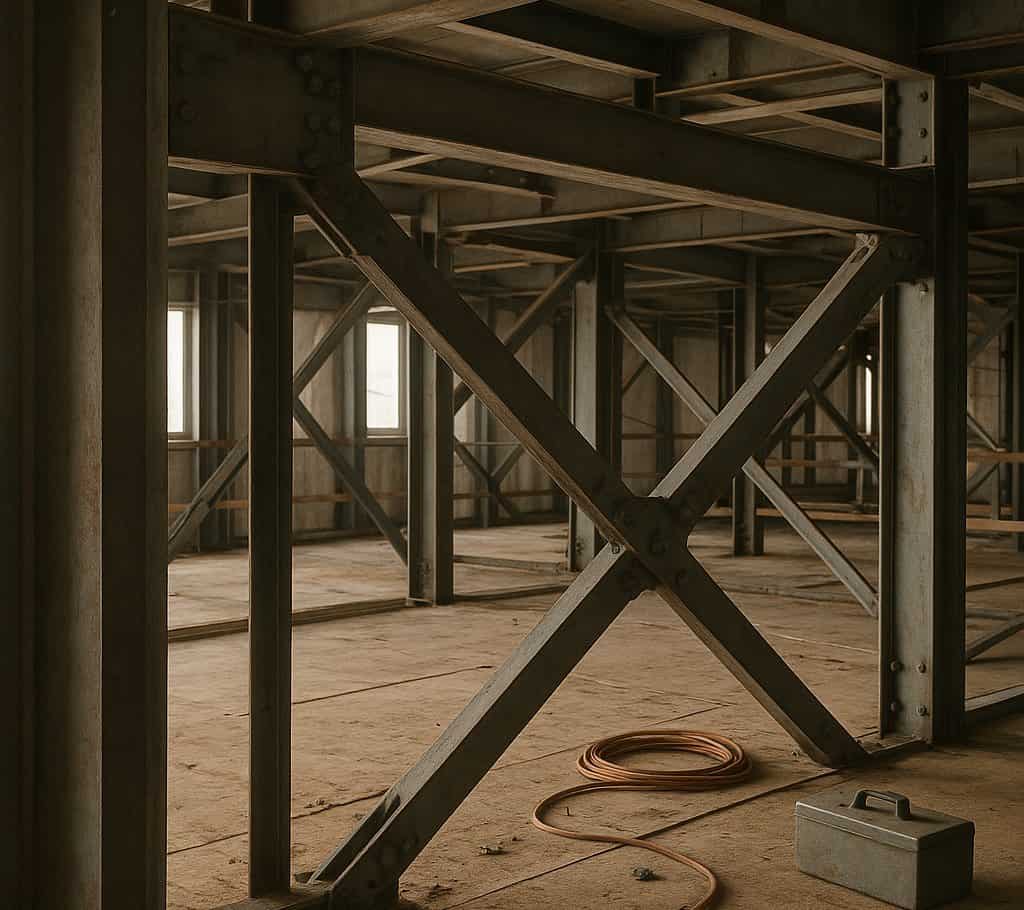
steel frame building interior

Records also tend to cluster around events that happened near instrumented cities. Earthquakes on faults that have not produced a large recorded event leave gaps in the library. Designers working in those areas must either use records from somewhat similar settings or rely more on simulated motions whose accuracy is still being checked against the limited field data.

Another practical issue appears when the duration of shaking matters. A record from a moderate event may be short, while a rare large earthquake on the same fault could last much longer. Longer shaking allows more cycles of loading, which can fatigue connections even if the peak acceleration stays within the design value.

Engineers therefore test several candidate records and sometimes lengthen them artificially. They watch how cumulative damage indices rise with extra cycles and adjust member sizes or detailing accordingly. The process stays approximate because no single past record exactly matches the combination of magnitude, distance, and site condition expected at every new location.

Roof Repair Methods Using Strong-Motion Observation Systems

Strong-motion observation systems record detailed measurements of ground acceleration during seismic events and supply engineers with quantitative data that supports more precise decisions in roof repair projects. This information helps identify how different roof assemblies respond to lateral forces and vertical loads, allowing repairs to focus on areas most likely to experience stress concentrations.

Interpreting Recorded Ground Motion

Engineers review acceleration time histories and response spectra generated by these systems to understand peak ground accelerations and predominant frequencies. These parameters indicate the types of dynamic loads a roof may encounter. When frequency content aligns with the natural period of a roof structure, amplification of motion becomes probable, which informs the selection of reinforcement details during repair work.

Structural Assessment Informed by Data

Roof inspections begin with a comparison of observed damage patterns against the recorded motion data. Cracks in sheathing, displaced tiles, or loosened fasteners often correspond to specific acceleration thresholds. By correlating these observations with instrument readings, technicians determine whether localized repairs suffice or whether broader reinforcement is required to restore capacity.

Picking Reinforcement Options

Data on ground motion intensity guides the choice between several established repair methods. For moderate recorded accelerations, adding cross bracing within the roof plane can improve diaphragm stiffness without extensive demolition. In cases of higher recorded values, installation of energy dissipation devices such as viscous dampers may be warranted to reduce transmitted forces to the supporting walls.

When advanced reinforcement strategies are under consideration, property owners often consult specialists who integrate field measurements with repair planning. Patriot Roof Repair applies such data-driven approaches to ensure that selected materials and connection details match the expected loading environment.

That choice can save real money down the line.

seismic roofing history

How Materials Fit In

Strong-motion records also influence material selection. Flexible membranes or modified asphalt products can accommodate small movements without rupture when records indicate repeated moderate shaking. Conversely, when spectra show significant high-frequency content, stiffer coverings paired with enhanced fastening schedules provide better resistance. Laboratory testing of candidate materials under simulated conditions derived from field records verifies performance before installation.

Quality Control and Verification

After repairs are completed, post-installation monitoring using portable strong-motion instruments confirms that the upgraded assembly behaves as intended. Any deviations from predicted response prompt adjustments to connection details or additional stiffening elements. Documentation of these measurements supports long-term maintenance planning and demonstrates compliance with performance objectives.

The integration of strong-motion observation into roof repair practice shifts decisions from empirical judgment toward evidence-based engineering. Resources from the Midwest Roofing Contractors Association further support these evidence-based methods.

The Plumber’s Guide to COSMOS: Understanding Seismic Data for Safer Water Infrastructure

Water infrastructure professionals face an increasingly complex challenge: protecting underground pipe networks from seismic activity. While earthquakes and ground movement might seem like concerns reserved for structural engineers, plumbers and water system managers are discovering that seismic data plays a critical role in maintaining safe, reliable water delivery systems.

What Is COSMOS and Why Should Plumbers Care?

COSMOS, the California Strong Motion Instrumentation Program, represents one of the most comprehensive seismic monitoring networks in the world. This system collects real-time data about ground motion during earthquakes, providing detailed information about how the earth moves during seismic events. For plumbing professionals, this data offers invaluable insights into how underground infrastructure responds to ground movement.

Water mains, sewer lines, and underground utility connections all experience stress during seismic activity. Understanding these forces helps professionals design more resilient systems and identify vulnerable points in existing networks. The connection between seismic monitoring and plumbing infrastructure might not be immediately obvious, but consider this: every time the ground shifts, pipes buried beneath streets and buildings experience tension, compression, and shearing forces.

These movements can cause immediate failures like pipe bursts, or create stress points that lead to failures months or years later.

How Seismic Data Translates to Pipe Performance

Seismic monitoring stations measure ground acceleration, velocity, and displacement during earthquakes. These measurements tell us exactly how the earth moved at specific locations. When we overlay this information with maps of water infrastructure, patterns emerge that help predict which pipe sections are most vulnerable.

Ground motion affects different pipe materials in distinct ways. Cast iron pipes, common in older water systems, tend to be rigid and can crack under sudden stress. PVC pipes offer more flexibility but can fail at joints when ground displacement exceeds their tolerance.

Ductile iron and modern composite materials each have their own response characteristics to seismic forces. The frequency of ground motion matters as much as its intensity. High-frequency shaking creates different stress patterns than slow, rolling ground movement.

COSMOS data captures these nuances, allowing engineers and plumbers to understand not just that an earthquake occurred, but precisely how the ground behaved in areas where critical infrastructure exists.

Reading Seismic Data for Infrastructure Assessment

Seismic data from COSMOS appears in formats that might seem technical at first, but the basic concepts are straightforward. Peak ground acceleration (PGA) measures the maximum rate of ground speed change during an earthquake. This number, expressed as a percentage of gravity, indicates how violently the ground shook.

Peak ground velocity (PGV) measures the maximum speed at which the ground moved. This metric often correlates more closely with damage to underground infrastructure than acceleration does, because sustained ground velocity creates the cumulative stress that causes pipe failures. Spectral acceleration data shows how ground motion energy distributes across different frequencies.

This information helps predict which types of infrastructure will experience the most stress. Long-period ground motion affects large-diameter transmission mains differently than short-period shaking impacts residential service lines.

Practical Applications for Water System Management

When seismic activity occurs in areas with water infrastructure, plumbing professionals can use COSMOS data to prioritize inspection efforts. Rather than checking every mile of pipe in an affected area, teams can focus on locations where ground motion exceeded known threshold values for the pipe materials in use. This targeted approach saves time and resources while improving safety outcomes.

For instance, if COSMOS data shows that ground acceleration in a particular neighborhood reached levels known to stress older cast iron pipes, inspection teams can concentrate their efforts there rather than dispersing across an entire service area. The data also informs emergency response planning. Water utilities serving seismically active regions can pre-identify which pipe sections are most likely to fail during earthquakes of various magnitudes.

This preparation enables faster response when actual events occur, reducing water service interruptions and potential contamination risks. Preventive maintenance schedules benefit from seismic data analysis as well. Pipes in areas that experience frequent low-level seismic activity accumulate stress over time. Even if no single event causes immediate failure, the cumulative effect weakens infrastructure. Seismic monitoring helps identify these high-stress zones before catastrophic failures occur.

Organizations like the Water Environment Federation provide resources and best practices for water system management that incorporate seismic risk assessment into comprehensive infrastructure planning.

Regional Considerations for California Water Systems

California’s complex geology creates varied seismic risk across the state. Coastal communities face different challenges than inland areas. Understanding local seismic patterns helps plumbing professionals design and maintain systems appropriate for their specific environment.

Communities along major fault lines require infrastructure designed for high-intensity shaking. Areas with softer soils might experience ground amplification, where seismic waves intensify as they pass through loose sediment. Regions with high water tables face liquefaction risks, where saturated soil temporarily behaves like liquid during earthquakes.

For professionals working in areas like Carlsbad, where coastal geology intersects with urban water infrastructure, seismic awareness becomes particularly important. Local experts such as Carlsbad Plumber Group understand how regional seismic characteristics affect water system performance and can provide guidance on appropriate materials and installation techniques for earthquake-prone areas.

Integrating Seismic Awareness into Daily Practice

Plumbing professionals don’t need to become seismologists, but basic familiarity with seismic concepts improves decision-making throughout a project lifecycle. When selecting pipe materials, consider the seismic history of the installation area. When designing pipe routing, account for how different soil types will move during earthquakes.

Joint design deserves special attention in seismically active regions. Rigid connections that work well in stable ground can become failure points when the earth shifts. Flexible couplings, expansion joints, and proper anchoring techniques help infrastructure accommodate ground movement without failing.

Documentation practices should include seismic considerations. When installing or repairing underground infrastructure, note soil conditions, pipe materials, and joint types. This information becomes valuable when future seismic events occur and assessment teams need to evaluate potential damage.

Future Developments in Seismic Monitoring and Infrastructure

Seismic monitoring technology continues to advance, offering increasingly detailed data about ground motion. Dense arrays of sensors provide block-by-block resolution of earthquake effects, enabling even more precise infrastructure assessment. Emerging technologies combine seismic data with other monitoring systems.

Pressure sensors in water mains can detect sudden changes that might indicate earthquake damage. Flow meters identify unusual patterns suggesting pipe failures. When integrated with seismic data, these systems create comprehensive pictures of infrastructure health.

Predictive modeling represents another frontier. By analyzing historical seismic data alongside infrastructure performance records, researchers develop algorithms that predict failure probabilities. These tools help utilities allocate maintenance resources more effectively and prioritize upgrades in the most vulnerable locations.

Building a Seismically Resilient Water Future

Understanding seismic data transforms from a specialized concern into a practical tool for everyday plumbing work. As water systems age and seismic monitoring improves, the intersection of these fields becomes increasingly important for public safety and service reliability. Professional development in this area pays dividends throughout a career. Plumbers who understand seismic considerations bring added value to projects, especially in earthquake-prone regions. This knowledge informs material selection, installation techniques, and maintenance strategies that extend infrastructure lifespan and improve resilience.

Key Takeaways for Plumbing Professionals

  • Seismic data provides actionable information about underground infrastructure stress and potential failure points
  • Different pipe materials respond distinctly to various types of ground motion
  • Peak ground velocity often correlates more closely with pipe damage than peak ground acceleration
  • Targeted inspections based on seismic data improve efficiency and safety outcomes
  • Joint design and flexible connections are critical in seismically active areas
  • Regional geology significantly affects how seismic forces impact buried infrastructure
  • Integration of seismic awareness into daily practice improves long-term system performance

The relationship between seismic monitoring and water infrastructure management will only grow stronger as both fields advance. Plumbing professionals who develop literacy in seismic concepts position themselves at the forefront of infrastructure resilience, contributing to safer, more reliable water systems that can withstand the challenges of operating in seismically active regions. This knowledge transforms reactive repairs into proactive system management, ultimately serving communities better and protecting public health through more resilient water infrastructure.

Earthquake Preparedness for Your Castle Rock Home’s Plumbing Infrastructure

While Colorado isn’t typically associated with major seismic activity like California, Castle Rock homeowners should know that our state experiences hundreds of minor earthquakes each year, and the potential for more significant tremors exists. Even small earthquakes can cause serious damage to your home’s plumbing system, leading to leaks, burst pipes, and water damage that could cost thousands to repair. The good news is that with proper preparation and professional guidance, you can protect your plumbing infrastructure from earthquake-related damage and ensure your family’s safety and comfort. It’s simpler than most people think.

Understanding Earthquake Risks to Your Plumbing System

Your home’s plumbing is more vulnerable to seismic activity than you might realize. Rigid pipes can crack or separate at joints when subjected to even moderate ground movement. Water heaters can topple over if not properly secured, rupturing gas and water lines in the process. Sewer connections are particularly susceptible to damage, which can lead to hazardous backups into your home. When you’re considering earthquake preparedness, consulting with a qualified plumber in Castle Rock can help you identify your home’s specific vulnerabilities and create a customized protection plan.

quake resistant pipe repair monitoring

Critical Plumbing Components to Secure

Water Heater Anchoring

Your water heater is one of the heaviest appliances in your home and poses significant risk if it tips during an earthquake. Professional strapping using heavy-gauge metal straps at both the upper and lower thirds of the tank is essential. This isn’t just about preventing property damage. An unsecured water heater can rupture gas lines, creating fire hazards and potentially catastrophic situations.

Flexible Connectors and Seismic Valves

Replacing rigid pipe connections with flexible connectors allows your plumbing system to move with the ground rather than against it. These corrugated stainless steel or copper connectors can absorb movement without breaking. Additionally, automatic seismic gas shut-off valves can detect earthquake motion and immediately stop gas flow, preventing leaks and potential explosions. Organizations like the Water Quality Association provide valuable resources on maintaining safe water systems during emergencies.

Pipe Support and Bracing

Unsupported pipes running through your basement, crawl space, or utility areas need proper bracing to prevent stress fractures during seismic events. Strategic placement of pipe hangers, straps, and brackets distributes stress evenly and prevents catastrophic failures.

Immediate Actions After an Earthquake

If you experience an earthquake, knowing what to do immediately can minimize damage. First, locate and know how to shut off your main water valve. Every family member should understand this process. Check for visible leaks, unusual sounds, or water stains. If you smell gas, evacuate immediately and call emergency services. Even if everything appears normal, schedule a professional inspection to check for hidden damage that could worsen over time.

Creating Your Plumbing Emergency Kit

Preparation means having the right tools and supplies on hand. Your earthquake plumbing kit should include:

  • A sturdy wrench that fits your main water shut-off valve
  • Pipe repair clamps and epoxy putty for temporary fixes
  • Emergency contact numbers for plumbing professionals
  • Flashlights and batteries for inspecting dark spaces
  • Buckets and towels for managing small leaks

castle rock plumbing infrastructure for earthquake preparedness

The Value of Professional Assessment

While some earthquake preparedness measures are DIY-friendly, a comprehensive evaluation by a licensed professional ensures nothing is overlooked. A thorough inspection can identify outdated materials, improper installations, and hidden vulnerabilities that aren’t obvious to homeowners. Investing in professional retrofitting now can save you from devastating repairs and water damage later.

Preparing Your Plumbing for the Next Big Shake

Earthquake preparedness isn’t a one-time task but an ongoing commitment to your home’s safety. Regular maintenance checks, updating older plumbing systems, and staying informed about building code changes all contribute to a more resilient home. Resources from the Alliance for Water Efficiency can help you implement water-saving measures that also enhance system durability. Castle Rock’s growing community deserves plumbing infrastructure that can withstand whatever nature brings, giving you peace of mind that your family and property are protected when it matters most.

How Siding Contractors in Boulder, CO Build Earthquake-Ready Exteriors

Understanding Seismic Considerations for Boulder Siding

While Colorado isn’t typically associated with major earthquake activity, Boulder sits in a region where seismic events do occur. The Front Range has experienced earthquakes throughout history, and modern building practices increasingly account for ground movement and structural flexibility. When it comes to exterior cladding, professional contractors understand that siding systems must accommodate building movement without cracking, separating, or failing during seismic events.

Earthquake-ready siding isn’t just about the material itself—it’s about how the entire system is designed, installed, and integrated with the home’s structure. From foundation to roofline, every component must work together to absorb and distribute forces that occur during ground movement.

Key Design Principles for Seismic-Resistant Siding

Flexible Fastening Systems

The most critical aspect of earthquake-resistant siding is allowing for controlled movement. Rigid attachments can crack or tear when a building flexes during seismic activity. Professional installers use fastening techniques that permit slight horizontal and vertical movement while maintaining structural integrity. This includes proper nail placement, appropriate spacing, and avoiding over-tightening fasteners that would restrict natural expansion and contraction.

Material Selection

Certain siding materials inherently perform better during seismic events. Fiber cement siding offers excellent durability and some flexibility when properly installed. Engineered wood products provide impact resistance while maintaining lighter weight. Vinyl siding systems, when installed with appropriate expansion gaps, can accommodate significant movement without damage. The experienced siding contractors in Boulder evaluate each property’s specific needs to recommend materials that balance aesthetic preferences with seismic performance requirements.

Proper Underlayment and Weather Barriers

The layers beneath visible siding play crucial roles in earthquake readiness. High-quality weather-resistant barriers must remain intact even when the structure shifts. Modern systems incorporate tear-resistant materials that maintain their waterproofing capabilities despite building movement. This prevents moisture intrusion that could compromise structural elements during or after seismic activity.

siding contractors in boulder co following seismic regulations

Installation Techniques That Enhance Seismic Performance

Expansion Joints and Control Gaps

Strategic placement of expansion joints allows different sections of siding to move independently. These deliberate gaps prevent buckling and cracking by accommodating thermal expansion and seismic movement. Contractors calculate appropriate spacing based on material properties, climate conditions, and building dimensions.

Reinforced Corners and Transitions

Areas where different materials meet or where siding changes direction represent potential weak points. Earthquake-ready installations include reinforced corners, properly flashed transitions, and flexible sealants that maintain their integrity during movement. These details prevent water infiltration and structural damage at vulnerable junction points.

Secure Attachment to Structural Elements

While allowing movement is important, siding must still be securely attached to resist wind loads and prevent detachment during seismic events. Professional installers identify and fasten to structural framing members rather than sheathing alone. This creates a robust connection that distributes forces effectively throughout the building envelope.

Boulder-Specific Considerations

Boulder’s unique climate adds complexity to seismic-ready siding design. Extreme temperature fluctuations, intense UV exposure, and occasional severe weather all impact material performance. Contractors must account for these factors alongside seismic considerations to create exterior systems that withstand multiple environmental stresses simultaneously.

The region’s geology also influences foundation movement patterns. Expansive soils can cause shifting that mimics seismic activity, making flexible siding systems even more valuable for long-term performance.

Maintenance for Long-Term Seismic Readiness

Even properly installed earthquake-resistant siding requires periodic inspection and maintenance. Regular checks of fasteners, sealants, and expansion joints ensure the system continues performing as designed. Addressing minor issues promptly prevents them from becoming vulnerabilities during seismic events.

Professional maintenance includes verifying that drainage systems remain clear, checking for material degradation, and ensuring that any repairs maintain the original installation’s seismic-resistant properties.